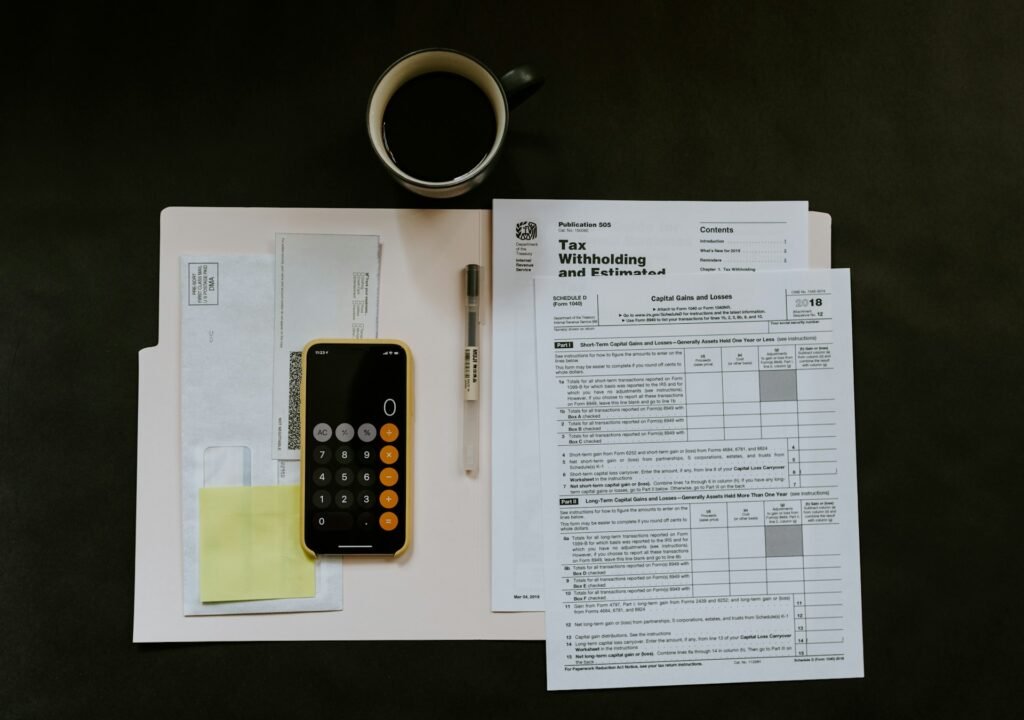
Tax season can be stressful for business owners, especially when financial records are not organized. Preparing early helps you avoid mistakes, reduce stress, maximize deductions, and ensure your business stays compliant.
Whether you run a small business, work as a self-employed professional, or manage a growing company, having a tax preparation plan can make the process much easier.

1. Organize Your Financial Records
One of the most important steps before tax season is gathering and organizing your financial documents. Keeping accurate records throughout the year makes tax filing faster and more accurate.
Important documents include:
- Business income records
- Bank statements
- Expense receipts
- Invoices
- Payroll records
- Previous tax returns
- Loan documents
- Business asset records
Using a bookkeeping system can help you track income and expenses instead of searching through paperwork at the last minute.
2. Review Your Business Expenses
Many businesses miss valuable tax deductions because they do not properly track expenses.
Common deductible business expenses may include:
- Office supplies
- Software subscriptions
- Marketing costs
- Business insurance
- Professional services
- Equipment purchases
- Travel expenses
- Vehicle-related costs
Review your expenses before filing to make sure you are claiming all eligible deductions.
3. Separate Business and Personal Finances
Mixing personal and business finances can create problems during tax preparation.
A separate business bank account helps you:
- Track business transactions
- Maintain cleaner records
- Identify deductible expenses
- Simplify bookkeeping
Keeping finances separate also makes it easier to understand your business performance.
4. Review Your Income Reports
Before submitting your tax return, review your income reports carefully.
Check:
- Total revenue
- Customer payments
- Outstanding invoices
- Payment processor reports
- 1099 forms
Make sure your reported income matches your records to avoid potential tax issues.
5. Prepare Payroll and Employee Documents
If you have employees or contractors, make sure payroll records are complete.
Review:
- Employee wages
- Contractor payments
- Payroll taxes
- Required tax forms
Accurate payroll reporting helps prevent penalties and filing errors.
6. Plan for Tax Payments
Waiting until the last minute to think about taxes can create cash flow problems.
Business owners should estimate:
- Expected tax liability
- Available deductions
- Quarterly payments
- Upcoming financial obligations
Planning ahead allows you to manage your cash flow and avoid unexpected expenses.
7. Review Your Business Structure
Your business structure can affect how you file taxes.
Different structures, such as sole proprietorships, partnerships, LLCs, and corporations, may have different tax requirements.
Reviewing your structure with a tax professional can help you understand whether your current setup is still the best option.
8. Look for Tax-Saving Opportunities
Before filing, check whether your business qualifies for tax-saving opportunities.
Potential options may include:
- Business tax credits
- Retirement contributions
- Equipment deductions
- Eligible business expenses
- Strategic timing of income and expenses
Proper tax planning can help you keep more of your business earnings.
9. Use Accounting Tools to Stay Organized
Modern accounting software can simplify tax preparation by helping you:
- Track transactions
- Categorize expenses
- Generate reports
- Monitor cash flow
- Maintain accurate records
Keeping your books updated throughout the year makes tax season much easier.
10. Work With a Tax Professional
A tax professional can help identify deductions, avoid mistakes, and ensure your business follows tax rules.
Professional tax support can be especially valuable if your business has:
- Multiple income sources
- Employees
- Contractors
- Complex expenses
- Rapid growth
Final Thoughts
Preparing your business for tax season does not have to be overwhelming. By organizing your records, tracking expenses, reviewing income, and planning ahead, you can make tax filing smoother and more efficient.
A proactive approach helps your business stay compliant, improve financial visibility, and make smarter decisions throughout the year.
Need help preparing your business taxes? Professional tax and accounting services can help you save time, reduce errors, and focus on growing your business.