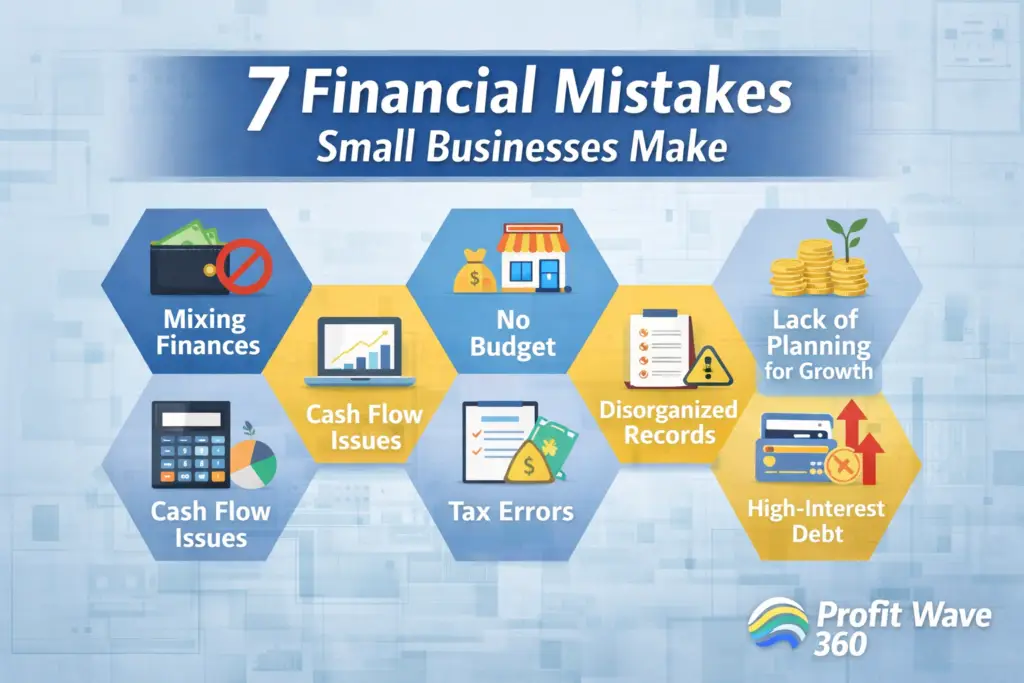
Running a successful business is not only about making sales, it’s about maintaining healthy cash flow. Many startups and small businesses generate revenue but still struggle to pay expenses on time. Poor cash flow management is one of the biggest reasons businesses fail, especially during growth stages.
The good news is that you do not always need business loans or outside funding to improve your financial situation. With smart cash flow strategies, business owners can increase liquidity, reduce financial stress, and build long-term stability.
In this guide, we’ll explain practical ways to improve business cash flow without taking loans while helping your company stay profitable and financially healthy.

What Is Business Cash Flow?
Business cash flow refers to the movement of money entering and leaving your business. Positive cash flow means your company brings in more cash than it spends. Negative cash flow happens when expenses exceed incoming revenue.
Healthy cash flow helps businesses:
- Pay employees on time
- Cover operational expenses
- Invest in growth opportunities
- Avoid debt and late payment penalties
- Handle unexpected emergencies
Even profitable businesses can experience cash flow problems if payments are delayed or expenses are poorly managed.
1. Send Invoices Immediately
One of the fastest ways to improve cash flow is to invoice clients quickly. Many businesses delay invoicing for days or even weeks, which slows incoming payments.
Best practices for invoicing:
- Send invoices immediately after completing work
- Use automated invoicing software
- Clearly define payment deadlines
- Include late payment fees
- Offer multiple payment options
Faster invoicing leads to faster payments and improved business cash flow.
2. Reduce Unnecessary Business Expenses
Review your monthly operating costs and identify areas where your business may be overspending.
Common expenses to reduce:
- Unused software subscriptions
- Excess office space
- High marketing costs with low ROI
- Duplicate business tools
- Unnecessary travel expenses
Cutting unnecessary expenses increases available working capital without needing additional financing.
3. Encourage Faster Customer Payments
Late customer payments are one of the biggest causes of cash flow problems for small businesses.
Ways to get paid faster:
- Offer discounts for early payments
- Accept online and mobile payments
- Require deposits for large projects
- Use recurring billing for subscription services
- Send automated payment reminders
Improving accounts receivable management can dramatically increase monthly cash flow.
4. Improve Inventory Management
Holding too much inventory ties up cash that could be used elsewhere in your business.
Businesses should:
- Monitor slow-moving inventory
- Avoid over-ordering products
- Use inventory forecasting tools
- Negotiate smaller supplier orders
- Sell outdated inventory quickly
Better inventory management improves liquidity and reduces storage costs.
5. Increase Profit Margins
Improving your profit margin allows your business to retain more cash from every sale.
Strategies to improve margins:
- Increase pricing strategically
- Focus on high-margin products or services
- Reduce production costs
- Bundle services for higher average order value
- Improve operational efficiency
Even small profit margin improvements can significantly boost cash flow over time.
6. Negotiate Better Payment Terms With Vendors
Many suppliers are willing to offer extended payment terms to reliable customers.
Examples include:
- Net-30 to Net-60 agreements
- Flexible installment payments
- Bulk purchase discounts
- Seasonal payment schedules
Longer payment terms help businesses preserve cash while maintaining operations.
7. Create a Cash Flow Forecast
A cash flow forecast helps business owners predict future income and expenses. This allows companies to prepare for seasonal slowdowns and avoid unexpected cash shortages.
A good forecast should include:
- Monthly revenue estimates
- Expected expenses
- Tax obligations
- Payroll costs
- Emergency reserves
Regular forecasting helps businesses make smarter financial decisions and improve long-term financial stability.
8. Focus on Recurring Revenue
Recurring revenue creates predictable monthly income and improves financial consistency.
Examples of recurring revenue models:
- Membership programs
- Subscription services
- Retainer agreements
- Maintenance plans
- Monthly consulting packages
Predictable income makes it easier to manage expenses and maintain positive cash flow.
9. Separate Business and Personal Finances
Mixing personal and business finances creates accounting confusion and cash flow problems.
Business owners should:
- Open a dedicated business bank account
- Use separate credit cards
- Track all business expenses accurately
- Maintain organized bookkeeping records
Clear financial separation improves budgeting and helps monitor true business performance.
10. Monitor Financial Reports Weekly
Many business owners only review finances at tax time. Successful companies monitor financial reports regularly.
Important reports include:
- Cash flow statements
- Profit and loss reports
- Accounts receivable aging
- Expense reports
- Revenue trends
Weekly financial reviews help businesses identify cash flow issues before they become serious problems.
Why Strong Cash Flow Matters More Than Revenue
Many entrepreneurs focus only on increasing sales, but revenue alone does not guarantee financial health. Businesses with poor cash flow may struggle to pay bills even when sales are growing rapidly.
Strong cash flow provides:
- Financial flexibility
- Business stability
- Growth opportunities
- Reduced reliance on debt
- Better investor confidence
Managing cash properly is one of the most important skills for startup founders and small business owners.
Final Thoughts
Improving business cash flow without taking loans is possible with smart financial management, efficient operations, and proactive planning. Businesses that control expenses, collect payments faster, and forecast cash flow accurately are more likely to survive economic challenges and grow sustainably.
Instead of relying on debt, focus on building a financially healthy business model that generates steady positive cash flow over time.
Whether you run a startup, freelance business, LLC, or growing company, improving cash flow management can help you achieve long-term business success while reducing financial stress.