Starting a business requires smart financial decisions from day one. One of the most important tools for managing startup expenses, building business credit, and improving cash flow is a business credit card.
The best business credit cards for startups offer more than just spending power. They provide cashback rewards, travel perks, expense tracking tools, employee cards, introductory APR offers, and financial flexibility that can help startups grow faster.
Whether you are launching an eCommerce brand, SaaS startup, marketing agency, consulting business, or local company, choosing the right startup business credit card can save money and simplify your finances.
In this guide, we’ll cover:
- Why startups need business credit cards
- How to choose the right card
- The best business credit cards for startups in 2026
- Common mistakes founders should avoid
- Tips for building business credit faster
Why Startups Need a Business Credit Card
Many startup founders initially use personal credit cards for business purchases. While this may seem convenient, it can quickly create accounting issues and financial confusion.
A business credit card helps startups:
- Separate personal and business expenses
- Build business credit history
- Improve cash flow management
- Earn cashback or travel rewards
- Simplify bookkeeping and tax filing
- Manage employee spending
- Access startup-friendly financial tools
Using a dedicated business card also makes financial reporting cleaner, especially during tax season or when applying for funding.
What Makes a Good Business Credit Card for Startups?
Not every business card is ideal for startups. Early-stage companies have different needs compared to established businesses.
Here are the most important features to consider.
1. Low or No Annual Fees
Startups often operate with limited budgets. A no-annual-fee business credit card can provide flexibility without adding unnecessary overhead costs.
2. Cashback Rewards
Cashback rewards are often more useful for startups than complicated travel programs. Flat-rate cashback cards help businesses earn rewards on everyday expenses.
3. Introductory 0% APR Offers
Some startup business credit cards offer 0% introductory APR periods for several months. This can help manage short-term expenses during growth phases.
4. Expense Management Features
Modern startups benefit from:
- Virtual cards
- Real-time expense tracking
- Employee spending controls
- Accounting integrations
- Automated receipt matching
5. Easy Approval Requirements
Some business credit cards rely heavily on personal credit scores, while others evaluate business revenue and cash flow instead.
Best Business Credit Cards For Startups in 2026
1. Chase Ink Business Unlimited®
Best Overall Business Credit Card for Startups
The Chase Ink Business Unlimited card is one of the best options for startup founders looking for simple cashback rewards and no annual fee.
Key Benefits
- Unlimited flat-rate cashback
- No annual fee
- Introductory APR offer
- Large welcome bonuses
- Flexible redemption options
Best For
- Small startups
- Freelancers
- Agencies
- Service businesses
This card works especially well for startups with varied spending categories.
2. American Express Business Gold Card
Best for Advertising and Software Expenses
The Amex Business Gold card is designed for businesses that spend heavily on marketing and software subscriptions.
Key Benefits
- Bonus rewards on eligible spending categories
- Flexible spending power
- Travel and purchase protections
- Expense management tools
Best For
- SaaS startups
- ECommerce businesses
- Marketing agencies
- High-growth startups
If your startup spends heavily on digital ads, this card can generate significant rewards.
3. Ramp Corporate Card
Best for Expense Management
Ramp has become one of the most popular fintech corporate cards among startups.
Key Benefits
- No personal guarantee for qualifying businesses
- Advanced expense management
- Unlimited virtual cards
- Accounting software integrations
- Real-time spend controls
Best For
- Remote teams
- Venture-backed startups
- Scaling companies
Ramp focuses more on financial efficiency and automation than traditional rewards programs.
4. Brex Card
Best Corporate Card for Funded Startups
Brex offers startup-focused financial tools and corporate cards designed for fast-growing businesses.
Key Benefits
- No personal credit check for eligible companies
- High spending limits
- Startup rewards program
- Built-in expense management
- Team spending controls
Best For
- Tech startups
- Funded businesses
- Venture-backed companies
Brex is especially popular among startups that need modern financial operations tools.
5. Capital One Spark Cash Plus
Best for High-Spending Businesses
This card works well for startups with larger monthly operating expenses.
Key Benefits
- Unlimited cashback
- Flexible spending capacity
- Employee cards
- Travel and purchase protections
Best For
- ECommerce brands
- Agencies
- Startups with high monthly expenses
The straightforward cashback structure makes it easy to maximize rewards.
6. Blue Business Plus Credit Card from American Express
Best No-Annual-Fee Rewards Card
This is one of the best startup business credit cards for founders who want rewards without paying annual fees.
Key Benefits
- No annual fee
- Flexible rewards points
- Introductory financing offers
- Strong everyday rewards
Best For
- Freelancers
- Consultants
- Small startups
- Solopreneurs
Traditional Business Credit Cards vs Corporate Cards
Startup founders often compare traditional business credit cards with fintech corporate cards.
Traditional Business Credit Cards
Examples:
- Chase Ink
- Amex Business Cards
- Capital One Spark
Advantages
- Strong rewards programs
- Intro APR offers
- Travel perks
- Easier access for smaller businesses
Disadvantages
- Personal guarantee often required
- Personal credit checks
- Fewer advanced expense tools
Fintech Corporate Cards
Examples:
- Ramp
- Brex
- Rho
Advantages
- Expense automation
- Virtual cards
- Employee controls
- Business-based approvals
Disadvantages
- May require revenue or funding
- Fewer travel rewards
- Limited access for very new businesses
How To Choose the Best Business Credit Card for Your Startup
The right card depends on how your startup spends money.
Choose a Cashback Card If:
- You want simple rewards
- Your spending categories vary
- You prefer flexibility
Choose a Travel Rewards Card If:
- You travel frequently
- You want premium perks
- You redeem points strategically
Choose a Corporate Card If:
- You manage employee spending
- You want advanced automation
- You need virtual cards and controls
How Startup Business Credit Cards Help Build Credit
Building business credit is essential for long-term financial growth.
Responsible credit card usage helps startups:
- Improve financing opportunities
- Access larger credit lines
- Build lender trust
- Separate personal and business financial profiles
To build strong business credit:
- Pay balances on time
- Keep utilization low
- Monitor credit reports
- Avoid excessive applications
Strong business credit can eventually help startups qualify for loans, funding, and better financial products.
Common Mistakes Startup Founders Make
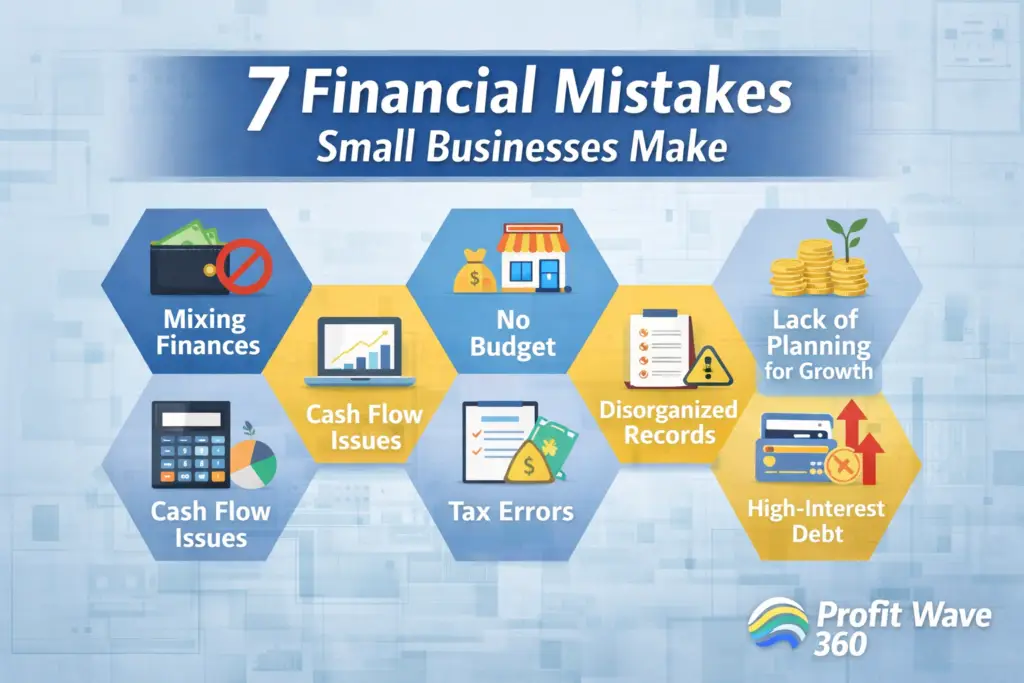
Mixing Personal and Business Expenses
This creates accounting problems and complicates tax preparation.
Ignoring Interest Rates
Rewards are valuable, but carrying balances with high interest can become expensive.
Applying for Too Many Cards
Multiple applications can negatively impact approval odds and personal credit scores.
Choosing Rewards Over Practical Features
Expense management tools and cash flow flexibility are often more valuable than premium travel perks during the startup phase.
Best Business Credit Cards for Different Startup Types
Best for ECommerce Startups
- Amex Business Gold
- Capital One Spark Cash Plus
Best for SaaS Startups
- Ramp
- Brex
Best for Freelancers and Consultants
- Chase Ink Business Unlimited
- Blue Business Plus
Best for Venture-Backed Startups
- Ramp
- Brex
Best for New Small Businesses
- Chase Ink Business Unlimited
- U.S. Bank Triple Cash Rewards
Frequently Asked Questions
Can a Startup Get a Business Credit Card?
Yes. Many business credit cards approve startups using the founder’s personal credit score and income.
Do Business Credit Cards Require Revenue?
Not always. Some cards approve businesses with minimal or no revenue, especially for newer startups.
Can LLCs Get Business Credit Cards?
Yes. LLCs, sole proprietorships, corporations, and partnerships can all apply for business credit cards.
What Credit Score Is Needed for a Startup Business Credit Card?
Most traditional business credit cards prefer good to excellent personal credit, although some fintech corporate cards evaluate revenue and cash flow instead.
Final Thoughts
The best business credit card for startups depends on your company’s spending habits, growth goals, and financial priorities.
If you want simple cashback rewards, cards like Chase Ink Business Unlimited are excellent choices. If your startup needs advanced expense management and team controls, fintech platforms like Ramp and Brex may be better solutions.
A good business credit card helps startups:
- Improve cash flow
- Build business credit
- Simplify bookkeeping
- Earn rewards
- Manage expenses more efficiently
Choosing the right card early can create a stronger financial foundation as your startup grows.